Exploring the complex question: is gaming racist? This article delves into how racial bias can manifest within video games and their communities, a crucial discussion trending across the United States. We examine issues ranging from character representation and stereotypes in game narratives to discriminatory player behavior and the lack of diversity in game development studios. Understanding these facets helps us navigate the challenges and work towards a more inclusive gaming environment. This informational piece aims to educate players, developers, and enthusiasts on recognizing, addressing, and ultimately dismantling racial prejudice in the digital world. Join us as we uncover the layers of this important conversation, impacting millions of gamers nationwide. It is important to ask is gaming racist.
Related games- Penn State Game Time Today Your 2026 Schedule Guide
- Is The Flash Fortnite Skin Back Speed into Action
- Area Omega Swift Roblox: What's the Hype?
Is there racism in the gaming industry?
Yes, racism exists within the gaming industry, manifesting through various channels. This includes the underrepresentation of diverse racial groups in games, the prevalence of racial stereotypes, and instances of overt discrimination. Both game content and community interactions reflect these issues, demanding continuous attention and reform for a more equitable future. The question "is gaming racist" emphasizes this ongoing challenge.
How does gaming influence racial attitudes?
Gaming can influence racial attitudes both positively and negatively. Stereotypical portrayals or discriminatory player behavior can reinforce harmful biases. Conversely, games that promote diverse representation and cultural understanding can foster empathy and challenge prejudice, contributing to more inclusive perspectives among players and communities globally. This impact underscores the importance of discussing "is gaming racist."
What steps are game companies taking to address racism?
Many game companies are taking steps like hiring diversity and inclusion officers, promoting diverse casting in games, and implementing stricter moderation policies for online communities. They are also investing in educational initiatives for their staff and supporting diverse content creators to foster a more inclusive industry culture and address past shortcomings proactively, thereby confronting "is gaming racist."
Why is diversity important in video game development?
Diversity in video game development is crucial because varied perspectives lead to richer, more authentic, and universally relatable games. Diverse teams are better equipped to challenge stereotypes, avoid cultural insensitivity, and create content that resonates with a global player base. This fosters innovation and broadens appeal, benefiting everyone involved, which is key to overcoming "is gaming racist."
How can players report racist behavior in games?
Players can report racist behavior in games through in-game reporting tools, platform-specific moderation systems, or directly contacting game publishers or developers. Many platforms also offer options to block or mute offending players. Utilizing these tools is vital for maintaining a safe and respectful online environment for everyone, directly tackling "is gaming racist."
Are certain types of games more prone to racial issues?
While racism can appear in any game genre, online multiplayer games, especially competitive ones, often face more prominent issues due to player interaction. The anonymity and intensity can sometimes embolden individuals to engage in racist slurs or harassment. Narrative-driven games can also perpetuate bias through problematic character portrayals and storylines. This complexity fuels the "is gaming racist" debate.
Ever wonder if your favorite pastime has a darker side? The question "is gaming racist" might seem surprising to some, but it is a critical discussion currently unfolding across the United States. This article will explore the many ways racial bias can appear within the vast world of video games, from how characters are portrayed to the interactions between players and the teams creating these experiences. Understanding these issues is the first step toward fostering a more welcoming and equitable gaming future for everyone.
Understanding If Gaming Is Racist
The gaming industry, like many other forms of media, has faced increasing scrutiny regarding its portrayal of race. When we ask "is gaming racist", we are often looking at systemic issues rather than individual intent. This involves examining everything from game narratives to character customization options and the cultural context developers operate within. It is a broad conversation encompassing both subtle and overt forms of discrimination within the gaming ecosystem.
Representation in Gaming and Racial Bias
One major aspect of "is gaming racist" concerns representation in gaming. Historically, characters of color have been underrepresented or portrayed through harmful stereotypes. Think about how often certain ethnicities are relegated to specific roles or depicted with exaggerated features. This impacts how players see themselves and others, perpetuating outdated and often offensive narratives in the digital realm.
Player Behavior and Online Racism Gaming
Beyond the games themselves, player behavior significantly contributes to the discussion of "is gaming racist." Online gaming environments can sometimes become breeding grounds for racism, hate speech, and discriminatory actions. This can range from racial slurs in voice chat to targeted harassment, making spaces unsafe for marginalized players. Addressing online racism gaming is crucial for community well-being.
Diversity in Game Development and Addressing Gaming Diversity
Another key factor in asking "is gaming racist" is the lack of diversity in game development. When development teams lack diverse voices and perspectives, unconscious biases can easily creep into game design. A more inclusive workforce can lead to richer, more authentic storytelling and better representation, actively working towards greater gaming diversity. This internal change is essential for broader progress.
Examining Video Game Stereotypes and Their Impact
The presence of video game stereotypes continues to be a central point when considering if gaming is racist. From villains with specific ethnic features to entire cultures reduced to simplistic tropes, these portrayals can be damaging. Such stereotypes reinforce harmful ideas outside the game world, making it vital for creators to critically evaluate their character designs and narrative choices. The question "is gaming racist" guides this introspection.
Key Areas of Concern: Is Gaming Racist?
| Area of Concern | Description | Impact |
|---|---|---|
| Character Representation | Lack of diverse main characters; reliance on stereotypes for characters of color. | Excludes players; perpetuates harmful views; limits storytelling potential. |
| Game Narratives | Stories reinforce racial tropes or ignore diverse cultural experiences. | Creates an exclusive environment; fails to reflect real-world diversity. |
| Player Community | Prevalence of racist language, harassment, and discrimination online. | Drives away marginalized players; creates toxic gaming spaces. |
| Developer Diversity | Homogenous development teams lacking varied cultural perspectives. | Unconscious biases appear in game design; missed opportunities for authentic content. |
| Monetization Models | Certain monetization practices disproportionately affect marginalized groups. | Exacerbates economic inequalities, limiting access and enjoyment. |
What Others Are Asking? About Is Gaming Racist?
Is gaming inherently racist?
Gaming itself is not inherently racist, but instances of racism manifest through character representation, narrative choices, and player interactions. The issue often stems from systemic biases within development teams and player communities. This complex situation requires ongoing vigilance and proactive efforts to foster genuine inclusivity in response to "is gaming racist."
How does character representation contribute to racism in games?
Character representation contributes to racism when it features stereotypical portrayals, underrepresentation of minorities, or problematic tropes. These depictions can reinforce harmful societal biases, making players from marginalized groups feel unseen or misrepresented. Authentic and diverse character design is crucial for equitable gaming, especially when tackling "is gaming racist."
What role do game developers play in addressing racism?
Game developers play a crucial role by actively promoting diversity within their teams, creating inclusive narratives, and implementing robust moderation tools. They can challenge stereotypes, portray characters authentically, and design systems that prevent and penalize racist behavior. Their choices shape the future of gaming culture regarding "is gaming racist."
Can online gaming communities be truly inclusive?
Online gaming communities can be truly inclusive, but it requires continuous effort from players and platform administrators. Strong moderation, clear codes of conduct, and player-led initiatives are vital. Fostering a culture of respect and reporting discriminatory behavior helps create welcoming spaces for everyone. It's an ongoing journey to address "is gaming racist."
What are examples of racial bias in popular video games?
Examples include historical depictions of indigenous peoples as aggressive savages, certain character archetypes for Asian or Black characters, or lack of diverse customization options. While specific examples vary by game, patterns of harmful stereotypes and underrepresentation have been noted across the industry. Awareness is key when discussing "is gaming racist."
FAQ About Is Gaming Racist?
Who is affected by racism in gaming?
Racism in gaming primarily affects players from marginalized racial and ethnic groups. They experience harmful stereotypes, exclusionary content, and direct harassment in online spaces. Developers and the broader community are also affected by the lack of diverse perspectives and a reduced player base. This directly relates to "is gaming racist."
What constitutes racism in gaming?
Racism in gaming constitutes discriminatory practices, content, or behaviors. This includes racial stereotypes in characters or stories, lack of diverse representation, biased game mechanics, and hateful speech or harassment from other players. It encompasses both overt and subtle forms of prejudice, central to the "is gaming racist" debate.
Why is addressing racism in gaming important?
Addressing racism in gaming is important to ensure fair representation, create safe spaces for all players, and foster a truly inclusive industry. It promotes better storytelling, expands player bases, and aligns gaming with broader societal values of equality and respect. An equitable environment benefits everyone, a key point in "is gaming racist."
How can players combat racism in gaming?
Players can combat racism by reporting discriminatory behavior, calling out hate speech, advocating for diverse games, and supporting inclusive communities. They can also educate themselves on biases and challenge stereotypes. Being an ally actively contributes to a more welcoming and respectful gaming environment, directly impacting "is gaming racist."
Summary of Key Points: Is Gaming Racist?
- The question "is gaming racist" highlights systemic issues within the industry.
- Poor character representation and harmful stereotypes are significant concerns.
- Online player behavior, including hate speech, creates toxic environments.
- Lack of diversity in development teams contributes to unconscious bias in game design.
- Addressing these issues requires collective effort from developers and players for a truly inclusive future.
The conversation around "is gaming racist" is not about blaming individuals but about recognizing systemic issues. By understanding the facets of racial bias in gaming, we can all contribute to a more inclusive and welcoming digital world. This journey towards gaming diversity is ongoing, requiring active participation from everyone who loves games. Let's champion change together.
Racial bias in gaming is a complex issue encompassing character representation, player behavior, and developer diversity. Stereotypes often appear in game narratives affecting cultural perception. Online communities can unfortunately harbor discriminatory actions among players. A lack of diversity in development studios impacts game design. Addressing these challenges is vital for truly inclusive gaming. The question 'is gaming racist' drives important industry changes.
35

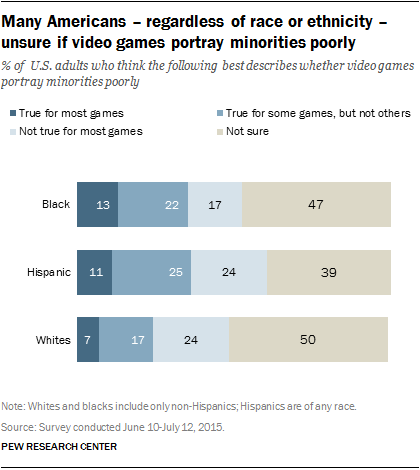
New Site RATES Levels Of Toxic Racism Sexism In Video Games TIMCAST Hqdefault 37 . In Gaming Behind The News. Online Gaming Rampant Racism Taking Toll On Youth Mental Health 247WS 944852 7JM . Racism Misogyny Death Threats Why Can T The Booming Video Game Imrs.php. Views On Gaming Differ By Race Ethnicity Pew Research Center FT 15.12.09 Gaming Minorities

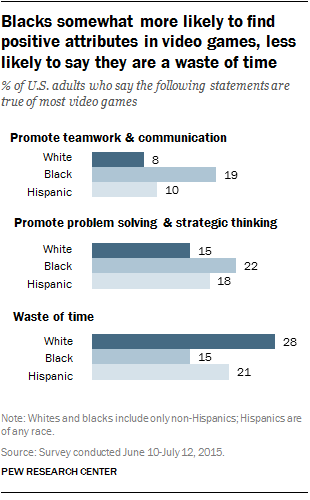
Video Game Companies Vow To Fight Racism But Offer Few Details The Imrs.php. SRtRC Scotland Anti Racist Creative Competition 2025 2026 Show Racism 2025 Winner 002 . Diversity Equity Inclusion In Games Gamers Want Less Toxicity In Slide2 .webp. Views On Gaming Differ By Race Ethnicity Pew Research Center FT 15.12.09 Gaming Pros Cons . End Game Racism At School ABC Education



Extremism Finds Fertile Ground In Chat Rooms For Gamers The New York 18gaming Extremism Top Bphf . Video Games And VR Tackle Racism Environment And Aftermath Of War 952cc9e3 5436 413a 8b1b Our America FB V2 . Gaming Comes Of Age Pew Research Center . 1 Re R Union Du Comit De Suivi Du Plan National De Lutte Contre Le Vignette Racisme Copie .webp. The Most Relevant Antiracist Video Game Of 2020 Los Angeles Times 75



Leaked Tape Reveals Black Hispanic Political Divide CNN Politics Smr Leaked Racist Remarks 00025019 . 2026 NBA All Star Game To Feature New U S Vs World Competition NBA Com All Star 26 Explainer AS26 V716x9 03 . FIFA Dropping Anti Racism Messages A Human Rights Risk For 2026 World GettyImages 2189016424 1 1024x683 . Pathetic Racist Harasses Black People For Shopping In Walmart Racist Image . Why Do Some People Think This Meme Is Racist BBC News 90821013 Tweet 976

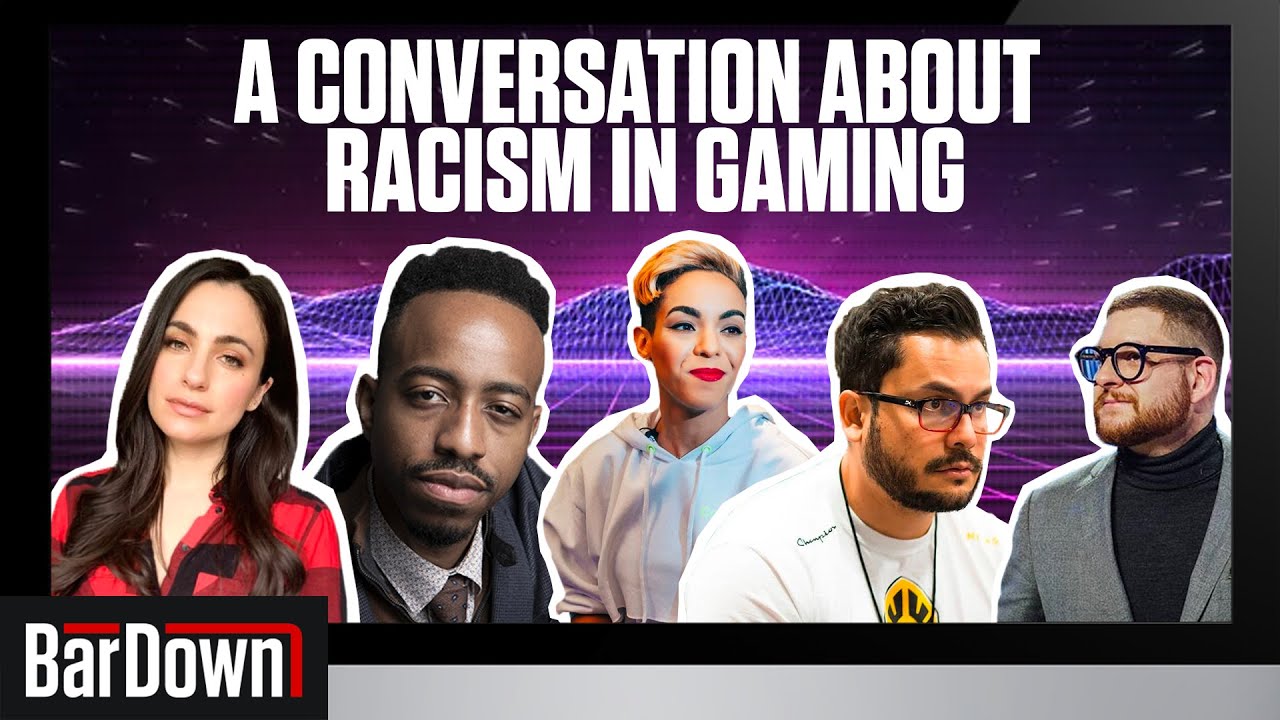
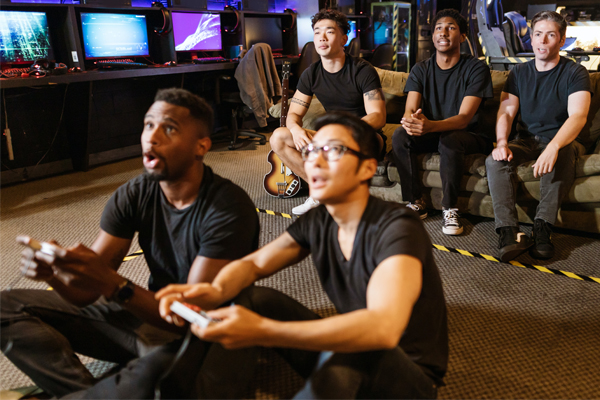
Glasgow 2026 Games Selection Policy Issued For Athletics Glasgow 2026 CGA V1 Launch Graphic 1920x1080px Aspect Ratio 11 5 . Canadian University Study Lack Of Diversity In Video Games Akin To Video Game Flickr . Priorities For Racial Justice 2026 Make This Year Count Race On IMG 5213 1536x1024 . A About Racism In Gaming And Esports YouTube . The Watch Gamers Band Together To Eliminate Racism From Gaming Fair Gamers


Black Gamers Are Coming Together Online To Tackle Racism In Gaming SEI 129079474 18fe 1665567890 . EPIC RACIST GAMING INTRO YouTube . Online Gaming Are Toxic And Companies Need To Do More. Scientists Confirm That Gamers Are Indeed More Racist And Sexist Gamers Sexist Racist Study . The Apprentice 2026 Contestant Who Made Vile Racist Posts Might Not SEC 281266903 77d6


Change From End Racism To Choose Love On Super Bowl Field Does Not. Gamer Racism Has To Stop R UATH . Self Described Gamers More Likely To Engage In Sexist Racist And The Anti Defamation League Adl Reported That One In Ten Young Gamers Aged 13 17 Are Exposed To White Supremist Ideology In Games Image Credit Bodnar Photo Com Meta . Top 10 Most Anticipated Games Of 2026 What To Watch Out For GAMES IN 2026 . The Role Of Gaming Icons Tilted Over Trigger Warnings 4