In the United States, millions actively engage with video games daily. But why do people play games with such passion and dedication? This widespread phenomenon is driven by a complex mix of human desires. People seek entertainment, stress relief, and a powerful sense of accomplishment. They also crave social connection, often finding vibrant communities within online multiplayer experiences. Games provide unique challenges, fostering problem-solving skills and strategic thinking. From escaping daily routines to building new friendships, understanding why Americans embrace gaming reveals deeper insights into modern leisure and psychological well-being. This article explores the core motivations behind gaming's enduring appeal in the USA, offering valuable perspectives for players and non-players alike. Discover why do people play games and what makes this hobby so compelling.
Q: What motivates individuals to play games?
A: Individuals are motivated to play games by a desire for entertainment, challenge, and social connection. They seek a sense of accomplishment, opportunities for escapism, and platforms to interact with friends or new communities. These multifaceted desires drive the widespread appeal of gaming across diverse demographics.
Q: How do games provide stress relief?
A: Games provide stress relief by offering a temporary escape from real-world pressures. Engaging in virtual challenges and immersive worlds allows players to distract themselves and relax. Achieving in-game goals can also create a positive emotional boost, counteracting daily anxieties.
Q: What social benefits do people gain from gaming?
A: People gain significant social benefits from gaming, including building and maintaining friendships. Online multiplayer games foster collaboration, teamwork, and communication skills. They create communities where players share experiences, support each other, and forge lasting connections.
Q: Can playing games improve cognitive skills?
A: Yes, playing games can improve various cognitive skills. Many games demand strategic thinking, quick decision-making, and enhanced problem-solving abilities. They can also boost hand-eye coordination, spatial awareness, and memory recall, contributing to overall mental agility.
Q: Why is escapism a key factor in gaming?
A: Escapism is a key factor in gaming because it offers a vital break from routine and stress. Games transport players to imaginative worlds and engaging narratives, allowing them to temporarily detach from reality. This mental retreat helps many individuals recharge and maintain well-being.
Many individuals across the United States immerse themselves in video games daily. Understanding why do people play games reveals fascinating insights into human behavior and modern leisure. Gamers, spanning all age groups and backgrounds, seek various experiences from these digital worlds. Whether on consoles, PCs, or mobile devices, playing games offers unique forms of engagement. This widespread activity provides entertainment, connection, and even personal growth for millions.
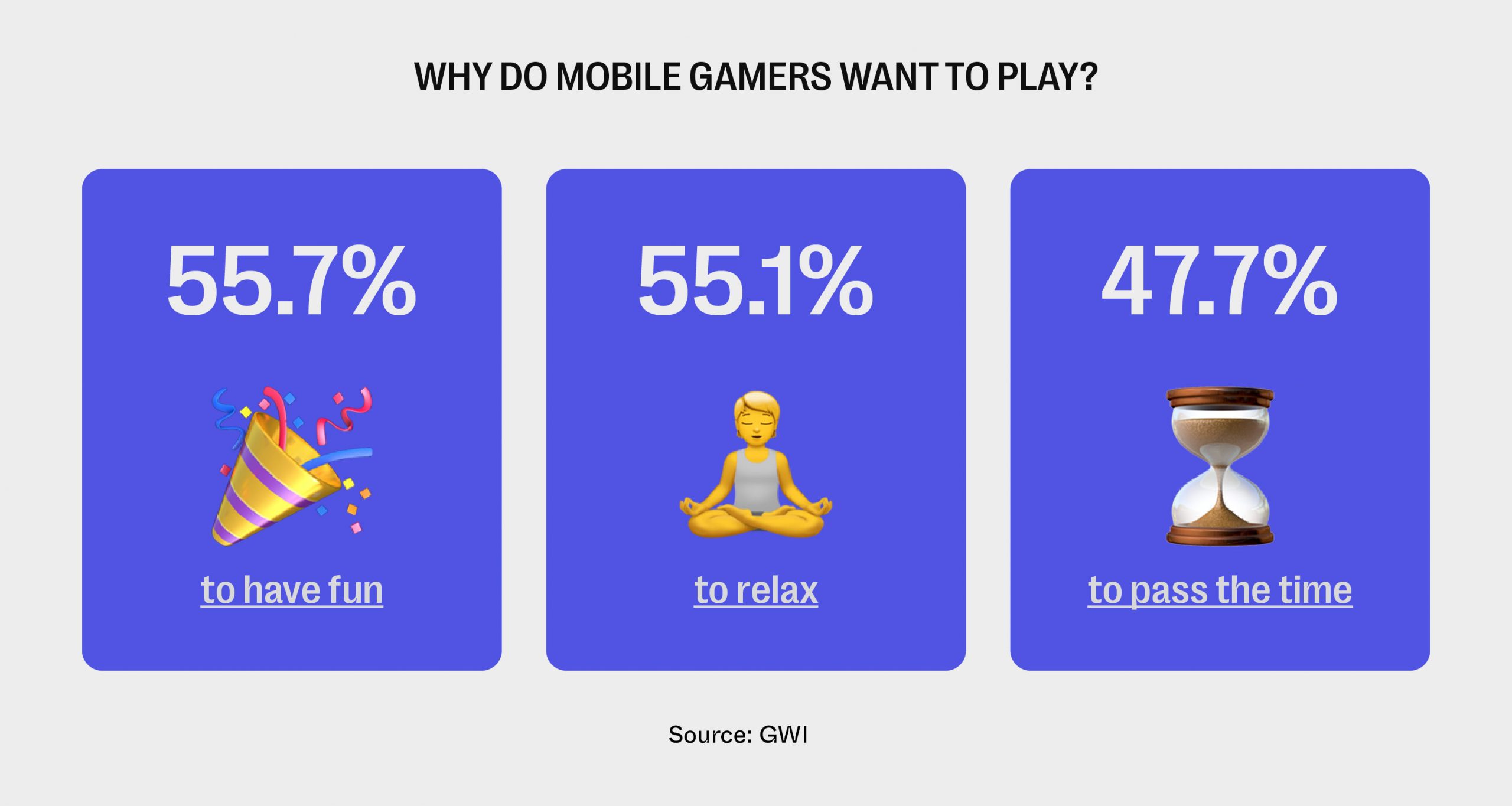
One primary reason why do people play games is for pure entertainment and escapism. Life can be demanding, and games offer a fantastic temporary escape. They transport players to different realities, allowing them to forget daily stressors. This immersion helps millions unwind and recharge after a busy day.
Another powerful draw for why do people play games comes from challenge and mastery. Humans naturally enjoy overcoming obstacles and developing skills. Games provide structured challenges, from complex puzzles to intense battles. Achieving victory or perfecting a strategy brings a deep sense of accomplishment and satisfaction.
The social aspect of gaming is also very significant for why do people play games. Multiplayer games connect friends and strangers across distances. These virtual spaces foster collaboration, competition, and lasting friendships. Building communities and sharing experiences are core motivations for many players.
Additionally, games offer a unique platform for learning and skill development. Many titles require strategic thinking, quick reflexes, and problem-solving abilities. Players often improve their cognitive functions and hand-eye coordination. These unexpected benefits contribute significantly to why do people play games regularly.
Ultimately, the reasons why do people play games are diverse and personal. Some seek a competitive outlet, while others enjoy collaborative storytelling. The evolving landscape of gaming continually offers new ways to engage. This rich variety ensures its enduring appeal for Americans everywhere.
| Reason to Play | Description for Why Do People Play Games | Key Benefit |
|---|---|---|
| Entertainment | Seeking fun and distraction from everyday life. | Stress relief, relaxation |
| Challenge & Mastery | Overcoming obstacles and developing new skills. | Achievement, confidence |
| Social Connection | Interacting with others in virtual environments. | Community, friendship |
| Escapism | Temporarily leaving reality for an immersive world. | Mental break, imagination |
| Learning & Growth | Improving cognitive functions and strategic thinking. | Skill development, problem-solving |
What Others Are Asking? About Why Do People Play Games
Why do games make people happy?
Games often make people happy by providing a sense of achievement and control. They offer engaging challenges that, when overcome, release dopamine, creating feelings of satisfaction. Social interaction in multiplayer games also boosts mood by fostering connections and shared experiences among players.
What are the psychological reasons for playing games?
Psychological reasons for why do people play games include fulfilling needs for autonomy, competence, and relatedness. Games allow players to make choices, master skills, and connect with others. They also serve as a coping mechanism for stress and a safe space for exploration.
What is the biggest reason why people play games?
The biggest reason why do people play games varies by individual, but often it's a combination of entertainment and escapism. Games provide enjoyable distractions from daily life, immersing players in new worlds and narratives. The pursuit of fun and temporary relief from reality is a universal motivator.
Do people play games for money?
Yes, some people do play games for money, particularly in competitive esports or through content creation like streaming. Professional gamers can earn substantial incomes from tournaments, sponsorships, and viewership. However, this financial motivation applies to a small segment of the gaming population.
Why is playing video games important?
Playing video games can be important for various reasons, including cognitive benefits and social development. Games improve problem-solving skills, reaction times, and strategic thinking. They also offer platforms for social interaction, community building, and creative expression, contributing to overall well-being.
FAQ About Why Do People Play Games
Who plays video games?
Millions of people across all demographics play video games. This includes children, teenagers, adults, and seniors, spanning diverse genders and backgrounds. Gaming has become a mainstream hobby enjoyed by a vast, inclusive audience globally.
What are video games?
Video games are interactive electronic games that involve user input devices, like controllers or keyboards, to manipulate images on a screen. They range from simple puzzles to complex role-playing adventures, offering diverse genres and experiences for players.
Why do people enjoy playing games?
People enjoy playing games for entertainment, challenge, and social connection. Games provide engaging narratives, opportunities to master skills, and platforms for interacting with friends. This combination creates a satisfying and rewarding leisure activity.
How do video games impact mental health?
Video games can positively impact mental health by offering stress relief and a sense of accomplishment. They provide healthy escapism and foster social connections, reducing feelings of loneliness. However, excessive gaming can also lead to negative impacts, highlighting the need for balance.
People play games for entertainment, stress relief, accomplishment, and social connection. Gaming builds problem-solving skills and offers escapism from daily life. It is a very significant modern leisure activity with growing importance. Understanding why do people play games provides insights into human psychology and digital culture.
35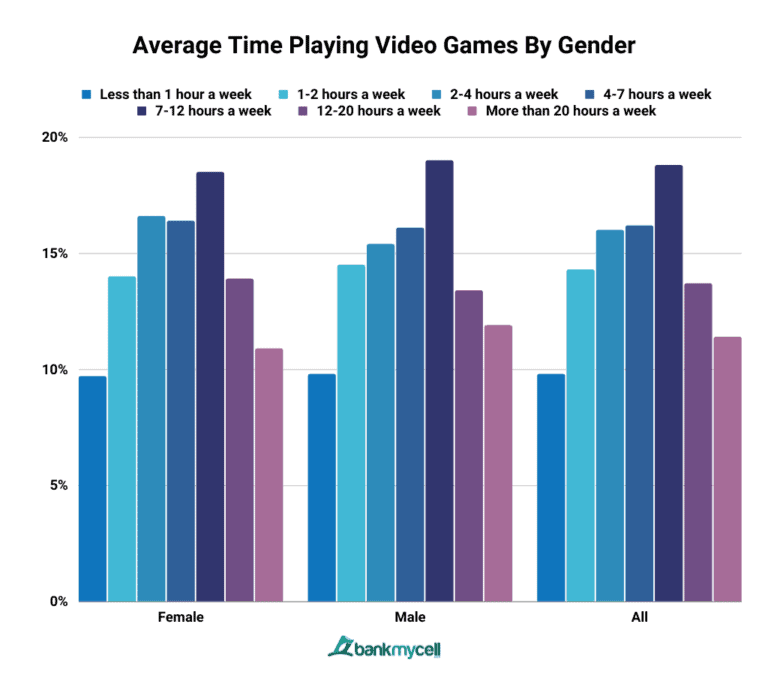


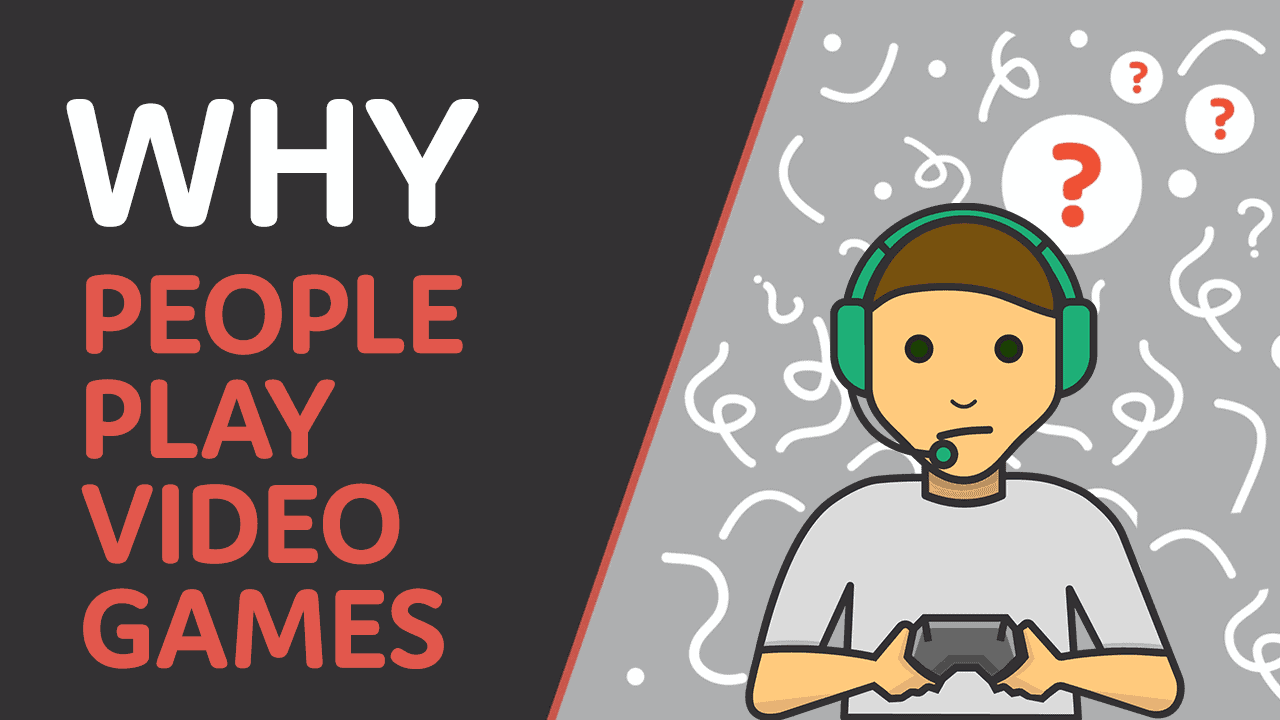

How Many People Play Video Games In The World 2026 S52 9 Average Time Playing Video Games Gender 768x675 . New Study Reveals The Main Reasons People Want To Play Games GameSpot 4304876 05 . TOP 40 BIGGEST NEW Games Coming In 2026 With Crazy NEXT GEN 4K Graphics . 15 Reasons People Play Video Games 15 Reasons People Play Video Games2 . PS5 Pro CFI 7121 Neue Hardware Revision Startet Still Und Leise In Europa Playstation 2026 Teaser.webp

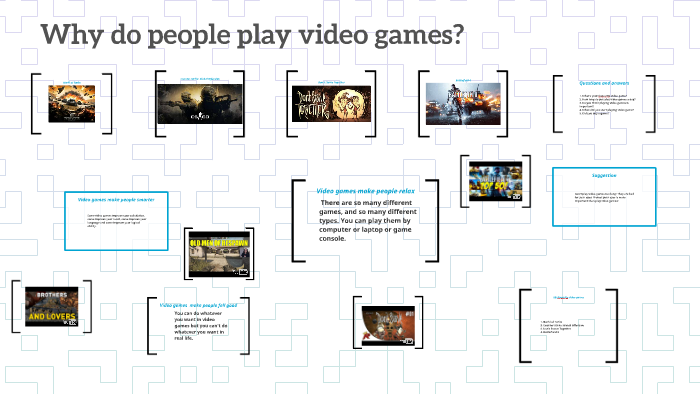
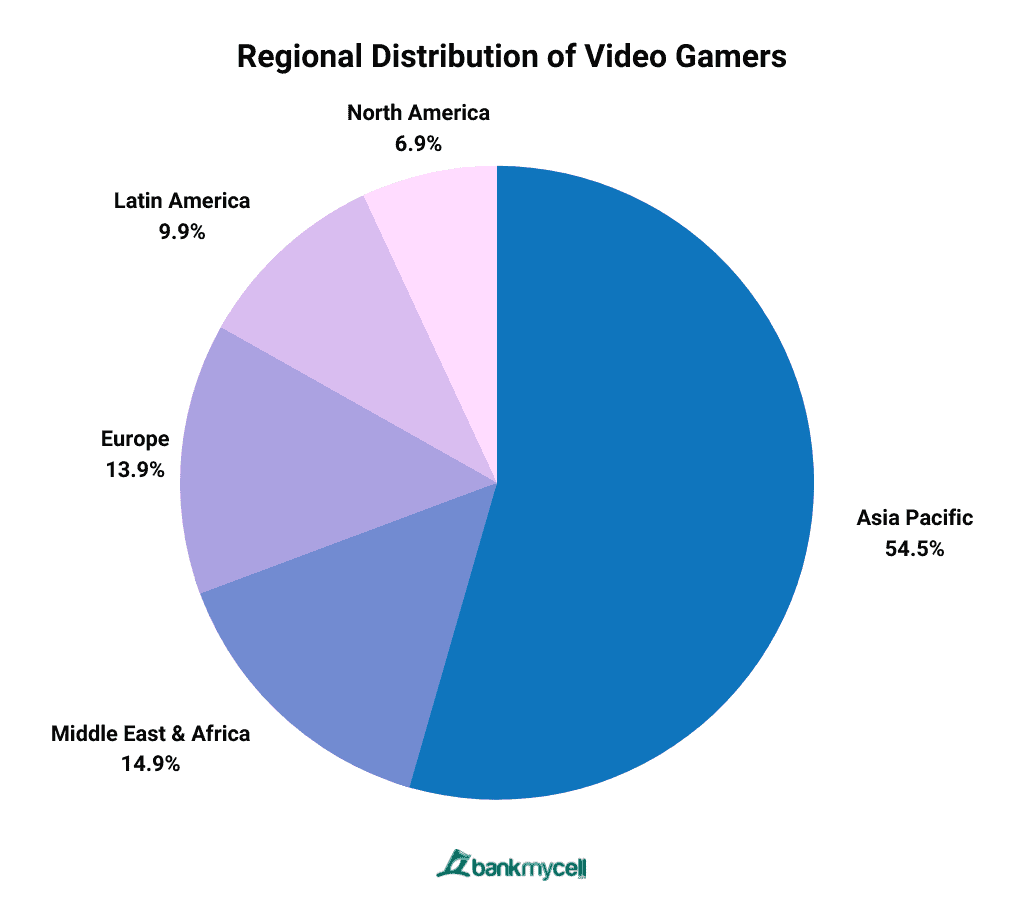

Why Do I Always Want To Play Video Games At Joyce Priddy Blog Whypplplay 768x512 . Why Do People Play Video Games By Eric Min On Prezi 3 0 . How Many People Play Video Games In The World 2026 S52 4 Top Gamers Worldwide By Region 1 . How Many People Play Video Games In The World 2026 S52 1 Number Of People Playing Video Games . Benefits Of Play Video Games At Rebecca Leon Blog Benefits Of Video Games 1024x576



PPT Games People Play PowerPoint Free Download ID 4029631 Why Do People Play Video Games Dt . The 2026 Games That Are Most Anticipated Lawod Five Trends Fueling The Hype Lawod 1 1536x864 . PPT 240 492 Games Programming With Java PowerPoint Free Why Do People Play Games L . Gamer From 2026 No Longer A Men Only Club Image10 1 . How Many People Play Video Games In The World 2026 S52 5 Average Age Of A Gamer 768x675



How Many People Play League Of Legends Average LoL Player Stats 2026 Most Popular Games By Monthly Active Players . How Many People Play Video Games In The World 2026 S52 8 Average Time Playing Video Games Country 768x675 . PES 2026 PPSSPP V1 9 The Definitive ISO Guide World Of Technology EFootball PES 2026 PPSSPP.webp. Tapjoy Research Why Do People Play Mobile Games By Adam Widener 1*YvcGOkVF TH7pTzPdCHp Q . Mobile Gaming Audience In 2023 How To Reach Them And Boost Your Sales Why Do MG Want To Play 02 Scaled


How Many People Play Video Games In The World 2026 S52 7 Video Gamer Ethnicity USA 768x675 . Insights Into American Gamers What And Why They Play Share Of Leisure Time Spent Gaming America 1920x1080 . Why Do People Play Games YouTube Maxres2 . Over 61 Of Americans Play Video Games In 2024 GAM3S GG Over 61 Of Americans Play Video Games In 2024. Psychology Of Gaming Why Do People Play Games
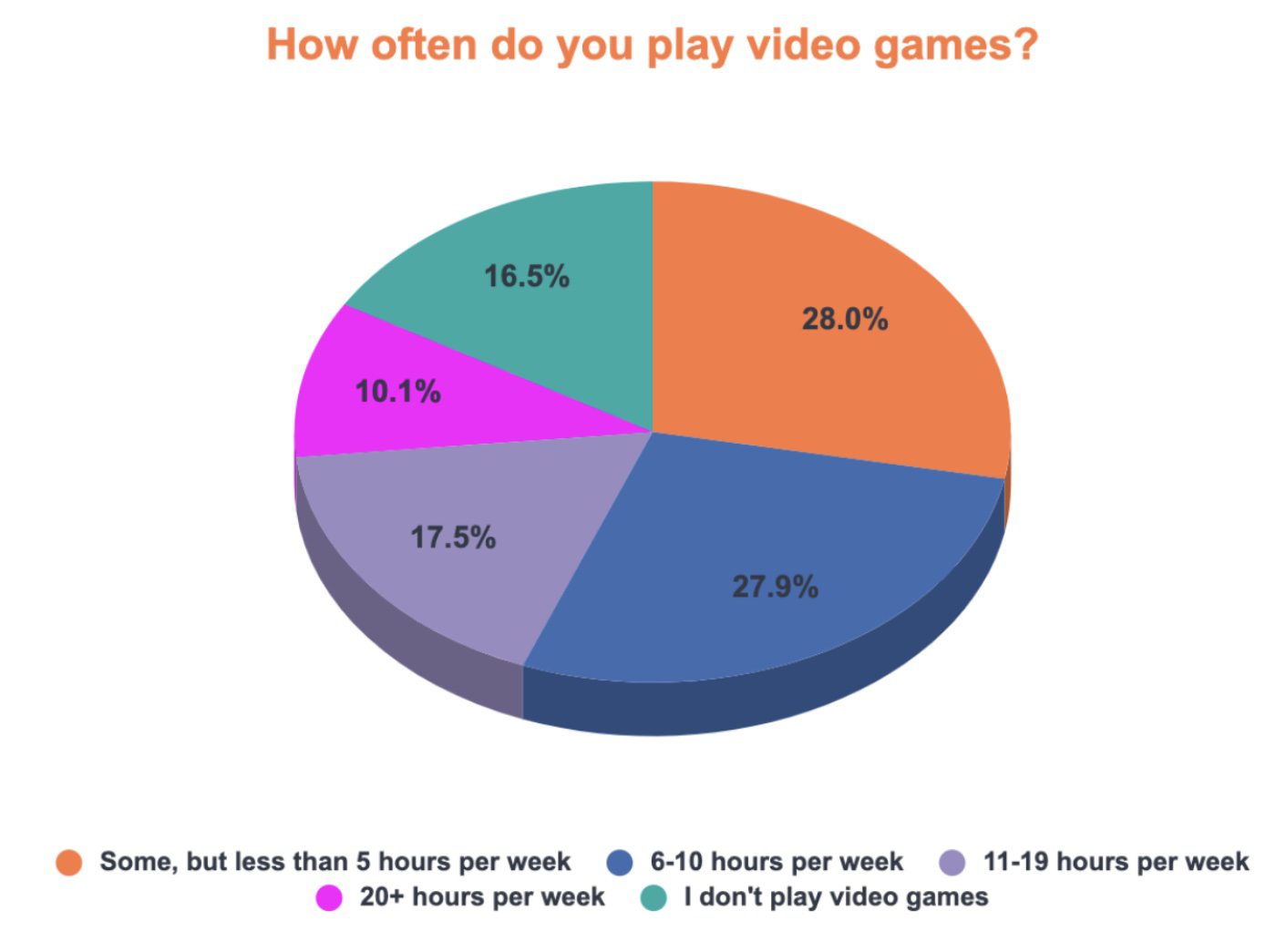


UK Reasons For Playing Video Games 2024 Statista 1463614 Blank 355 . New Survey Shows Over 80 Of People Play Video Games Apple World Today Video Game Playing Time . We Re A Nation Of Video Gamers According To The Latest Australia Plays . Why Do We Love To Play Board Games Explained Joyful Games Cover 0 1200x1200 . Motivation For Playing Video Games U S 2022 Statista 239310 Blank 355


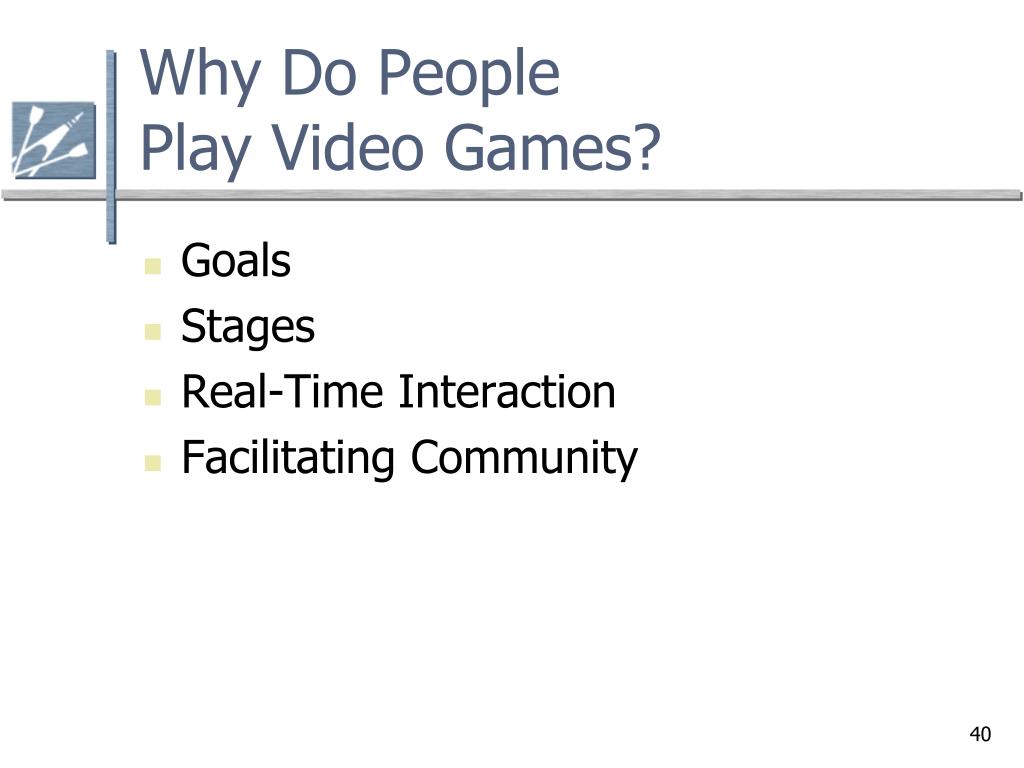


Why Do We Play Games Why Do We Play Games 728x409 . TOP 10 BEST NEW Upcoming Games Of 2026 YouTube . PPT Chapter 1 1 A Brief History Of Video Games PowerPoint Why Do People Play Video Games L . My Current Steam Wishlist 2025 2026 New Games YouTube . TOP 50 BIGGEST NEW Games Coming In 2026 With Crazy NEXT GEN 4K Graphics